

Vision health is a cornerstone of daily well-being, yet many individuals face significant challenges due to various eye conditions. For those searching for information about ocular health in the state, the phrase Ocular Disease Ohio is a common search term used to find expert care and up-to-date resources. Understanding the nature of ocular diseases and their impact on vision is essential for making informed decisions regarding eye care.
Common Ocular Diseases Affecting Ohio Residents
Several eye conditions can compromise vision, each presenting unique symptoms and risks. Among the most prevalent are:
-
Diabetic Retinopathy: Often associated with diabetes, this condition damages the retina’s blood vessels, potentially leading to vision loss if left untreated.
-
Glaucoma: Characterized by increased pressure within the eye, glaucoma can cause irreversible damage to the optic nerve and gradual loss of peripheral vision.
-
Macular Degeneration: Particularly common among older adults, this disease affects the central portion of the retina, leading to difficulties with reading, driving, and recognizing faces.
-
Cataracts: Clouding of the eye’s natural lens, resulting in blurred vision and decreased night vision.
Recognizing Symptoms and Seeking Timely Care
Early detection of ocular diseases is vital. Symptoms may include:
-
Blurred or distorted vision
-
Sudden loss of vision in one or both eyes
-
Halos around lights
-
Difficulty distinguishing colors
-
Frequent changes in prescription glasses
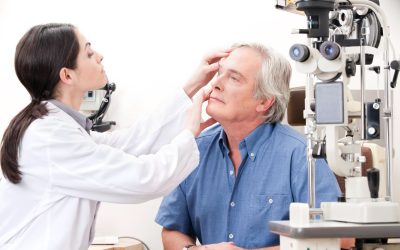
Individuals experiencing any of these symptoms should consult an eye care professional promptly. Comprehensive eye exams play a crucial role in identifying issues before they progress.
Prevention and Management Strategies
Protecting vision involves a combination of lifestyle modifications and regular monitoring. Recommendations include:
- Scheduling annual eye exams, especially for those with risk factors such as diabetes or a family history of eye disease.
- Maintaining healthy blood sugar and blood pressure levels.
- Wearing protective eyewear during activities that pose a risk of eye injury.
- Eating a balanced diet rich in leafy greens and omega-3 fatty acids.
For those in need of trusted guidance and advanced treatment options, Ohio Eye Associates stands out as a reliable partner in managing and overcoming ocular disease challenges in Ohio.